
Rustic Home design creates warmth and comfort, blending natural textures, earthy tones, and timeless charm into a cozy living space.
Table of Contents
ToggleWhat Makes a Rustic Home Feel So Inviting?
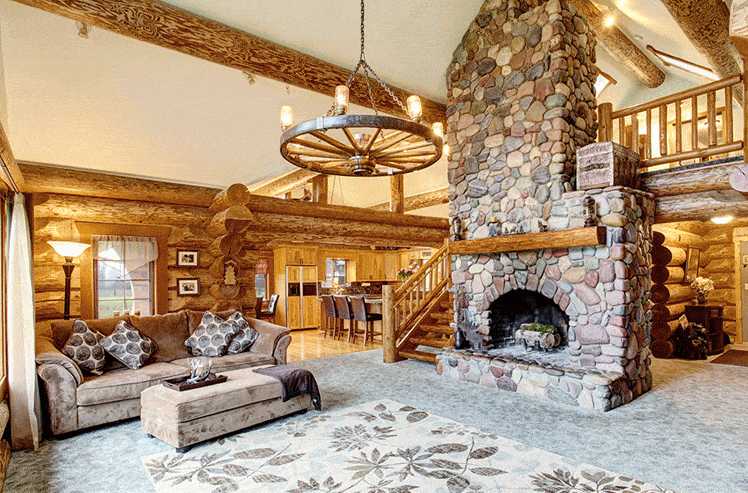
Have you ever stepped into a place that instantly felt like a warm hug? That’s the magic of rustic design. It doesn’t try to impress you with perfection. Instead, it welcomes you with authenticity.
A Rustic Home is all about embracing nature. It celebrates raw materials, imperfect finishes, and a lived-in feel. Think of it like a well-worn leather jacket—it gets better with time, not worse.
What makes it so inviting is its honesty. Nothing feels fake or forced. Every element has a story, whether it’s reclaimed wood, aged metal, or handmade decor. It’s not just a style—it’s a feeling.
Natural Materials as the Foundation
If rustic design had a backbone, it would be natural materials. Wood, stone, and metal are the stars of the show.
Wood, especially, plays a huge role. Exposed beams, wooden floors, and solid furniture create a strong connection to nature. The grain, knots, and textures add character you simply can’t replicate with synthetic materials.
Stone brings a sense of permanence. A stone fireplace or accent wall can anchor a room, making it feel grounded and timeless. It’s like bringing a piece of the outdoors inside.
In a Rustic Home, these materials aren’t polished to perfection. They’re left raw, textured, and real—and that’s exactly what makes them beautiful.
Warm and Earthy Color Palettes
Color in rustic design is inspired by nature. No neon shades or overly bright tones here—just calm, earthy hues.
Think warm browns, soft creams, muted greens, and deep grays. These colors create a cozy atmosphere that feels safe and relaxing. It’s like sitting by a campfire on a cool evening.
Layering is key. Combining different shades within the same palette adds depth without overwhelming the space. You want harmony, not chaos.
A Rustic Home uses color to comfort, not to compete. It’s subtle, soothing, and always grounded.
Furniture That Tells a Story
Furniture in rustic spaces isn’t just functional—it’s meaningful. Each piece feels like it has a history.
Large wooden tables, sturdy chairs, and vintage cabinets are common choices. These aren’t delicate items. They’re built to last, to be used, and to age gracefully.
Reclaimed or antique furniture works especially well. It adds authenticity and a sense of nostalgia. It’s like bringing a piece of the past into your present.
In a Rustic Home, furniture isn’t about trends. It’s about character, durability, and timeless appeal.
Texture: The Secret Ingredient
Want to know what really makes a rustic space come alive? Texture.
Rough wood, soft wool, woven fabrics, and aged metal all work together to create a rich sensory experience. It’s not just about how things look—it’s about how they feel.
Layering textures adds depth. A chunky knit blanket on a leather sofa, a woven rug under a wooden table—these combinations create warmth and interest.
In a Rustic Home, texture is like seasoning in food. Without it, everything feels flat. With it, everything feels complete.
Lighting That Feels Like Home
Lighting in rustic design is all about warmth. Harsh, bright lights can ruin the entire vibe.
Instead, go for soft, warm lighting. Think lantern-style fixtures, Edison bulbs, and table lamps with fabric shades. These create a gentle glow that feels inviting.
Natural light is also important. Large windows that let in sunlight can enhance the warmth of the materials and colors.
A Rustic Home uses lighting like a storyteller—it sets the mood, highlights the details, and makes everything feel connected.
Bringing Nature Indoors
Rustic design doesn’t just take inspiration from nature—it brings it inside.
Plants are a simple way to do this. Even a few green touches can make a big difference. They add life, freshness, and a pop of color.
You can also use natural decor like branches, stones, or dried flowers. These elements create a seamless connection between indoors and outdoors.
In a Rustic Home, nature isn’t an afterthought. It’s a central theme.
Balancing Rustic with Modern Touches
Here’s something you might not expect—rustic design works beautifully with modern elements.
A sleek appliance in a wooden kitchen. A minimalist light fixture in a room full of textures. These contrasts create balance and prevent the space from feeling outdated.
The key is moderation. You don’t want modern elements to overpower the rustic charm. They should complement, not compete.
A Rustic Home can feel both timeless and current when you strike the right balance.
Common Mistakes to Avoid
Let’s talk about what not to do. Because yes, it’s possible to get rustic design wrong.
First, avoid overdoing it. Too many heavy materials can make a space feel dark and cramped. Balance is essential.
Second, don’t ignore comfort. Rustic doesn’t mean rough living. Soft furnishings and cozy elements are just as important as wood and stone.
Third, stay away from fake finishes. Authenticity is everything. If it looks artificial, it will break the entire vibe.
A Rustic Home should feel natural, not staged.
Creating Your Own Cozy Retreat
At the end of the day, rustic design is about creating a space where you feel at ease. A place where you can relax, unwind, and just be yourself.
It’s not about perfection. It’s about comfort, warmth, and authenticity. It’s about surrounding yourself with things that feel real.
A Rustic Home becomes more than just a place to live. It becomes a retreat—a personal sanctuary that reflects your connection to nature and simplicity.
So, imagine this: a warm room, soft lighting, natural textures, and a sense of calm that wraps around you. Sounds like home, doesn’t it?
Read More: Elegant Decor Styles to Elevate Your Home Interior Design
