
Interior Design shapes how we live, feel, and function at home. It blends beauty with purpose, turning ordinary rooms into meaningful spaces.
Understanding the Essence of Interior Design
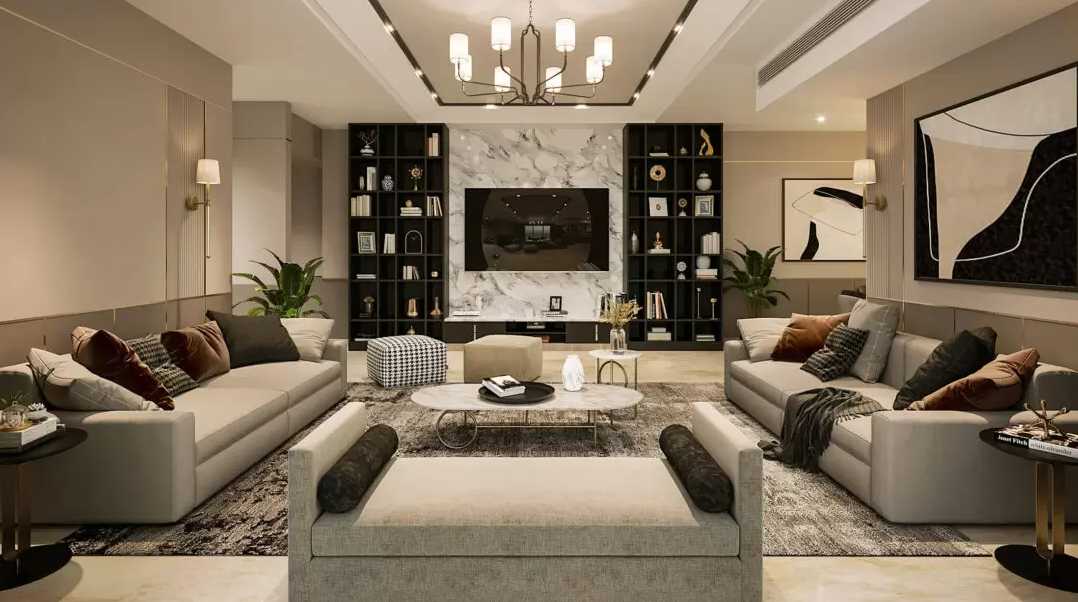
Let’s start with a simple question—what is Interior Design, really? Is it just about picking pretty furniture and matching colors? Not quite. At its core, Interior Design is about creating spaces that work for you. It’s the balance between function and beauty, where every element has a purpose and every corner tells a story.
Think of your home like a stage. The walls, furniture, lighting—they’re all part of the set. But you? You’re the main character. Interior Design ensures that the stage supports your daily life, whether you’re working, relaxing, or entertaining guests. It’s not just about how a space looks; it’s about how it feels and how it performs.
What makes it even more interesting is that no two designs are ever the same. Your lifestyle, personality, and preferences shape your space. That’s why Interior Design isn’t a one-size-fits-all solution. It’s personal, evolving, and deeply connected to who you are.
The Key Elements That Define a Well-Designed Space
So, what separates a well-designed room from one that feels… off? It all comes down to the elements. Think of these as the building blocks of Interior Design. When used correctly, they create harmony. When ignored, things can quickly feel chaotic.
First, there’s balance. Imagine walking into a room where everything is pushed to one side. It feels awkward, right? Balance ensures that visual weight is evenly distributed. Then comes harmony—how all the elements work together. Colors, textures, and shapes should feel connected, not random.
Lighting is another game-changer. It’s like the mood director of your home. Bright lights energize, while soft lighting relaxes. Add in textures—like soft rugs, smooth surfaces, or rough wood—and suddenly your space has depth and personality. Interior Design thrives on these layers, creating a rich, inviting atmosphere.
Popular Interior Design Styles You Should Know
Ever scrolled through home inspiration and thought, “Wow, I love this… but what is it?” That’s where design styles come in. Understanding them helps you define your taste and create a cohesive look.
Modern design is all about clean lines and simplicity. It’s like a deep breath—fresh, uncluttered, and calming. On the other hand, traditional style leans into elegance and timeless details. Think of it as a classic novel—rich, detailed, and never out of style.
Then there’s minimalist design, which follows the “less is more” philosophy. It strips away the unnecessary and focuses on essentials. Scandinavian style adds warmth to minimalism, combining simplicity with coziness. Each style offers a different vibe, and Interior Design allows you to mix and match until it feels just right.
How to Design Each Room with Purpose
Designing a home isn’t just about making it look good—it’s about making it work. Each room has its own role, and your design choices should reflect that.
Take the living room, for example. It’s the social hub. You want it to feel inviting, comfortable, and flexible. Seating arrangements, lighting, and layout all play a role in how people interact in that space. Interior Design here is about connection.
Now think about the bedroom. This is your sanctuary. It should promote rest and relaxation. Soft colors, comfortable bedding, and minimal distractions can make a huge difference. The kitchen, on the other hand, is all about efficiency. Smart layouts and storage solutions turn it into a functional powerhouse.
Every room tells a different story. The key is to design with intention—asking yourself, “What do I want to feel and do in this space?”
Interior Design Tips for Small Spaces
Working with a small space? Don’t worry—you’re not alone. In fact, some of the most creative Interior Design solutions come from limited square footage.
The trick is to think smart. Use furniture that serves multiple purposes, like a sofa bed or a storage ottoman. It’s like having a Swiss Army knife for your home—compact but powerful. Mirrors are another great tool. They reflect light and create the illusion of a bigger space.
Decluttering is your best friend here. The less visual noise, the more open your space feels. Stick to a simple color palette and avoid overcrowding. Small spaces aren’t a limitation—they’re an opportunity to get creative and intentional with your design choices.
Budget-Friendly Interior Design Ideas
Let’s be honest—Interior Design can get expensive. But here’s the good news: it doesn’t have to be. You can create a stunning space without breaking the bank.
Start with what you already have. Rearranging furniture can completely change the feel of a room. It’s like giving your space a fresh haircut—same elements, new look. Adding small details like cushions, rugs, or wall art can also make a big impact.
DIY projects are another great option. Whether it’s painting a wall, repurposing old furniture, or creating your own decor, these personal touches add character. Remember, great design isn’t about how much you spend—it’s about how creatively you use what you have.
Common Interior Design Mistakes to Avoid
Even with the best intentions, it’s easy to make mistakes. But don’t worry—that’s part of the process. The key is to learn and improve.
One common mistake is overcrowding a room. More furniture doesn’t mean more comfort. In fact, it often does the opposite. Give your space room to breathe. Another mistake? Ignoring lighting. Relying on a single light source can make a room feel flat and uninviting.
And then there’s the trap of following trends blindly. Just because something is popular doesn’t mean it’s right for you. Interior Design should reflect your personality, not someone else’s. Trust your instincts and create a space that feels authentic.
The Future of Interior Design
So, where is Interior Design heading? The future looks exciting—and a bit futuristic. Technology is playing a bigger role, with smart homes becoming more common. Imagine controlling your lighting, temperature, and even furniture with a simple voice command.
Sustainability is also taking center stage. People are becoming more conscious of their choices, opting for eco-friendly materials and energy-efficient solutions. It’s not just about style anymore—it’s about responsibility.
Another trend is personalization. Homes are becoming more tailored to individual lifestyles. No more cookie-cutter designs. The future of Interior Design is all about creating spaces that are as unique as the people who live in them.
Conclusion
At the end of the day, Interior Design is more than just decoration—it’s a way of shaping your everyday life. It influences how you feel, how you interact, and how you experience your home.
Whether you’re working with a large house or a small apartment, a big budget or a tight one, the principles remain the same. Focus on what matters to you. Create spaces that support your lifestyle. And most importantly, enjoy the process.
Because your home isn’t just a place—it’s a reflection of you. And with the right approach, you can turn it into something truly extraordinary.
Read More: Tropical Paradise Living Room Decor, The Tropics at Home
