
Minimalist Home living helps you simplify space, reduce clutter, and create a calm, functional environment that truly supports your daily life.
Table of Contents
ToggleUnderstanding the Concept of Minimalist Living
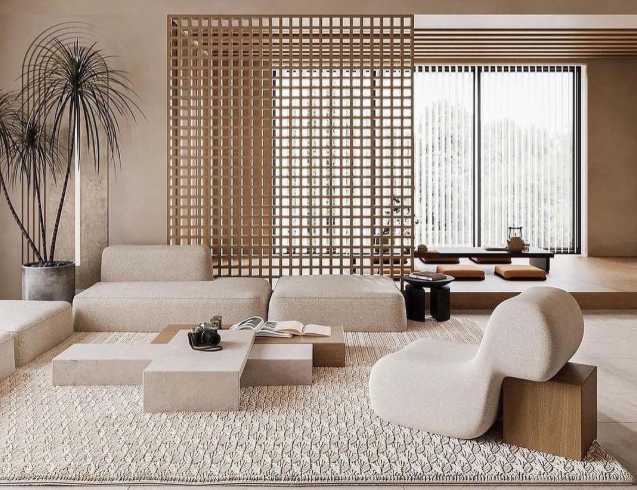
A minimalist lifestyle isn’t about living with almost nothing—it’s about living with just enough. When you think about a Minimalist Home, imagine a space where everything has a purpose and nothing feels overwhelming. It’s not empty; it’s intentional.
Think of your home like your phone storage. When it’s full of unused apps, random photos, and junk files, it slows down. But once you clean it up? Everything works better. Your home functions the same way. Too much stuff creates visual noise, and that noise affects how you feel.
Minimalism is also deeply personal. What feels “minimal” to one person might feel empty to another. The goal isn’t perfection—it’s clarity. You’re creating a space that reflects your priorities, not someone else’s aesthetic.
Why Clutter Holds You Back
Clutter isn’t just physical—it’s mental. Ever tried focusing in a messy room? It’s like trying to read a book while someone keeps talking in your ear. Distracting, right?
When your surroundings are chaotic, your brain works overtime trying to process everything. That’s why a Minimalist Home can feel so refreshing. It removes unnecessary distractions and gives your mind space to breathe.
There’s also an emotional side to clutter. We often attach memories or “what if” scenarios to objects. “What if I need this someday?” Sound familiar? But holding onto everything just in case often keeps you stuck in the past instead of living in the present.
The First Step: Decluttering with Purpose
Decluttering can feel overwhelming at first. Where do you even start? The trick is to keep it simple. Don’t try to tackle your entire house in one day. Start small—one drawer, one shelf, one corner.
Ask yourself a few honest questions: Do I use this? Do I love this? Does this add value to my life? If the answer is no, it might be time to let it go. Building a Minimalist Home begins with these small but powerful decisions.
And here’s a tip—don’t overthink it. The longer you hesitate, the harder it becomes. Trust your instincts. If something doesn’t serve you anymore, it’s okay to move on. Letting go isn’t losing—it’s making space for something better.
Choosing Quality Over Quantity
Minimalism isn’t about having less just for the sake of it—it’s about having better. Instead of filling your home with cheap, short-lived items, invest in pieces that last.
Think of it like building a wardrobe. Would you rather have ten uncomfortable outfits or three that you absolutely love wearing? The same logic applies to your Minimalist Home. Fewer items, but each one meaningful and functional.
Quality items often bring a sense of satisfaction. They feel good to use, look better over time, and reduce the need for constant replacements. In the long run, you actually save money and reduce waste.
Designing a Calm and Functional Space
A minimalist space should feel calm, not cold. That balance is key. Neutral colors, clean lines, and open spaces create a peaceful atmosphere—but don’t forget warmth.
Textures make a huge difference. A soft rug, a cozy throw, or wooden furniture can bring life into a room. Your Minimalist Home should feel like a sanctuary, not a showroom.
Functionality is just as important as aesthetics. Arrange your furniture in a way that supports how you live. Do you need a reading corner? A workspace? A relaxing zone? Design your space around your lifestyle, not just how it looks in photos.
Smart Storage Solutions That Actually Work
Let’s be honest—stuff doesn’t magically disappear just because you want a minimalist space. That’s where smart storage comes in.
Hidden storage is your best friend. Think under-bed drawers, multi-purpose furniture, or wall-mounted shelves. These solutions help maintain the clean look of a Minimalist Home while keeping essentials accessible.
But here’s the catch—storage isn’t an excuse to keep unnecessary items. It’s there to organize what truly matters. If you’re constantly running out of storage, it might be a sign you need to declutter again.
Building Daily Habits to Stay Clutter-Free
Creating a minimalist space is one thing—maintaining it is another. Without the right habits, clutter can slowly creep back in.
Start with simple routines. Put things back where they belong. Do a quick 5-minute tidy-up each day. It’s like brushing your teeth—small actions that make a big difference over time.
A Minimalist Home thrives on consistency. You don’t need to be perfect, just mindful. The goal is progress, not perfection. Even small improvements can keep your space feeling fresh and organized.
Letting Go of Emotional Attachments
This is where things get tricky. Letting go of physical items is easy compared to letting go of emotional attachments.
We often keep things because they remind us of people, places, or moments. But here’s the truth—the memory isn’t in the object. It’s in you. Your Minimalist Home doesn’t need to hold every memory physically.
Try this: take a photo of sentimental items before letting them go. You keep the memory without the clutter. It’s a simple shift, but it can make the process much easier.
Minimalism and Mental Well-Being
Have you ever noticed how a clean space just feels… lighter? That’s not a coincidence. Your environment directly affects your mood and mental clarity.
A minimalist space reduces stress and creates a sense of control. When your surroundings are organized, your thoughts often follow. Living in a Minimalist Home can help you feel more focused, calm, and present.
It’s like hitting a reset button for your mind. You’re not constantly distracted by mess or overwhelmed by choices. Instead, you can focus on what truly matters—your goals, your relationships, and your well-being.
Sustainable Living Through Minimalism
Minimalism naturally aligns with sustainability. When you buy less, waste less, and choose quality items, you’re making more environmentally friendly choices.
A Minimalist Home encourages mindful consumption. You think twice before buying something. Do you really need it? Will it last? These questions help reduce unnecessary purchases.
It’s not about being perfect—it’s about being conscious. Small changes, like using reusable items or choosing eco-friendly materials, can make a big impact over time.
Personalizing Your Minimalist Space
Minimal doesn’t mean boring. Your home should still reflect your personality. The difference is, every item has meaning.
Instead of filling your space with random decor, choose pieces that tell your story. A piece of art, a travel souvenir, or even a favorite book can add character to your Minimalist Home.
Think of it like editing a photo. You’re removing distractions so the main subject stands out. Your personal touches become more impactful because they’re not competing with clutter.
Common Mistakes to Avoid
One common mistake is going too extreme too fast. Getting rid of everything at once can leave your space feeling empty and uncomfortable. Take your time. Let your Minimalist Home evolve naturally.
Another mistake? Following trends blindly. Minimalism isn’t about copying what you see online. It’s about creating a space that works for you.
And finally, don’t confuse minimalism with restriction. It’s not about depriving yourself—it’s about freeing yourself from excess. There’s a big difference.
Final Thoughts
A minimalist lifestyle isn’t about having less—it’s about making room for more of what matters. More clarity. More peace. More intention.
Your home should support your life, not complicate it. By creating a Minimalist Home, you’re not just changing your space—you’re changing how you live in it.
So start small. Stay consistent. And most importantly, make it yours. Because at the end of the day, the best space isn’t the one that looks perfect—it’s the one that feels right.
