
Modern Interior design transforms homes into sleek, functional spaces that feel fresh, stylish, and effortlessly comfortable.
Table of Contents
ToggleThe Essence of Modern Interior Design
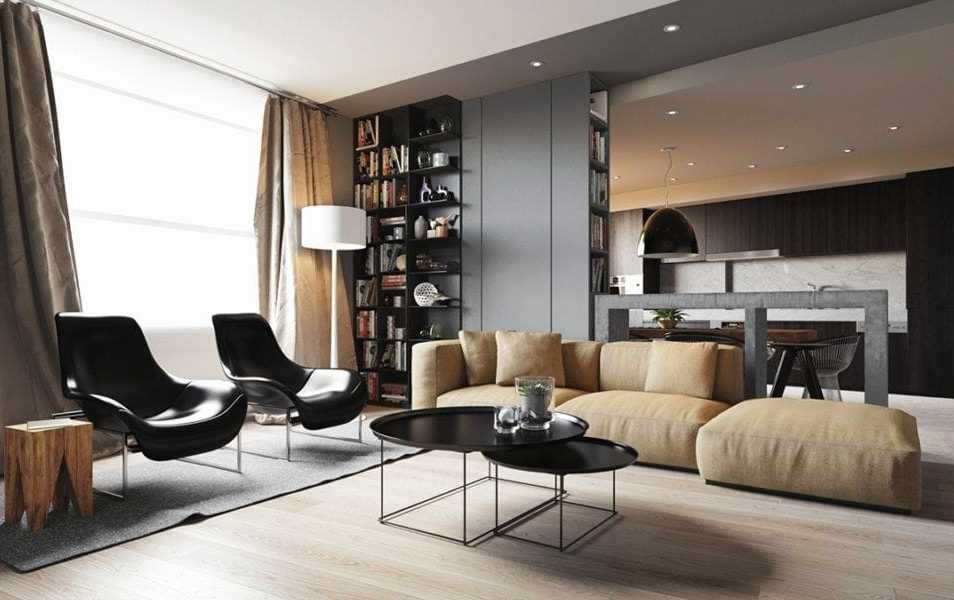
Modern interior design isn’t just about clean lines and neutral colors—it’s about creating a space that feels like you, just with a little more polish. At its core, this design style embraces simplicity, functionality, and intentional choices. Nothing is random. Every piece has a purpose, whether it’s a statement chair or a subtle lighting fixture.
Think of it like decluttering your mind—but for your home. You remove what doesn’t serve you and keep what truly matters. The result? A space that breathes. A room that doesn’t overwhelm but instead invites you in. It’s calm, but not boring. Minimal, but not empty.
And here’s the thing—modern doesn’t mean cold. That’s a common misconception. When done right, it feels warm, inviting, and deeply personal. It’s about balance. Clean aesthetics paired with textures, natural materials, and thoughtful details that make your home feel alive.
Neutral Palettes with Bold Accents
If you walk into a modern home, chances are you’ll notice a neutral base—whites, beiges, grays, maybe even soft earthy tones. These colors create a calm foundation, like a blank canvas waiting for personality to shine through.
But here’s where it gets interesting: bold accents. Imagine a sleek gray living room suddenly energized by a deep emerald sofa or a burnt orange rug. That contrast? It’s what makes the space memorable. It’s like adding spice to a simple dish—it elevates everything.
You don’t need to go overboard. A single statement piece can completely change the vibe of a room. A piece of art, a unique lamp, or even colorful cushions can do the trick. The key is restraint. Let the accent breathe instead of competing with everything else.
Open Spaces and Functional Layouts
Have you ever walked into a room and felt instantly relaxed without knowing why? Chances are, it had a good layout. Modern homes prioritize open spaces that flow naturally from one area to another.
Walls are minimized, and rooms are designed to connect. The kitchen blends into the dining area, which flows into the living room. It creates a sense of continuity—like your home is telling a seamless story instead of being chopped into disconnected chapters.
Functionality is just as important as aesthetics. Every piece of furniture is placed with intention. You’re not just filling space—you’re shaping how people move, interact, and live. It’s like choreography, but for everyday life.
Smart Technology Integration
Let’s be real—technology is part of our lives. So why not make it part of our homes in a smart, seamless way? One of the biggest trends in Modern Interior design is integrating tech without letting it dominate the space.
Think hidden speakers, smart lighting, automated curtains, and voice-controlled systems. The goal is convenience without clutter. You shouldn’t see wires everywhere or bulky devices disrupting the aesthetic.
It’s almost like magic. Lights adjust to your mood. Your thermostat learns your preferences. Your home starts working for you. And the best part? It all blends into the design so smoothly that you barely notice it’s there.
Natural Materials and Textures
Here’s where modern design gets its soul—natural materials. Wood, stone, linen, leather—these elements bring warmth and depth to otherwise clean spaces.
Imagine a sleek white kitchen with a wooden countertop. Or a minimalist living room softened by a textured wool rug. These combinations create contrast and keep the space from feeling flat.
Textures play a huge role too. Smooth surfaces paired with rough finishes create visual interest. It’s like layering outfits—you wouldn’t wear the same fabric head to toe, right? The same logic applies here.
Minimalism Without Sacrificing Comfort
Minimalism often gets a bad reputation. People think it means living in an empty room with one chair and no personality. But that’s not the kind of Modern Interior approach we’re talking about.
This is about intentional living. Keeping what you love and removing what you don’t. It’s about quality over quantity. Instead of ten mediocre items, you have three amazing ones that truly stand out.
Comfort is still a priority. Soft sofas, cozy throws, and inviting spaces are essential. Your home should feel like a place you want to stay in, not a showroom you’re afraid to touch.
Statement Lighting as a Design Feature
Lighting isn’t just functional—it’s a design statement. In modern homes, lighting fixtures often double as art pieces. Think sculptural pendants, geometric chandeliers, or sleek floor lamps.
The right lighting can completely transform a room. It can make a space feel bigger, cozier, or more dramatic. It sets the mood. It highlights the best parts of your design.
Layered lighting is key. Combine ambient lighting (general light), task lighting (for specific activities), and accent lighting (to highlight features). It’s like building a playlist—you need different tracks for different moods.
Sustainable and Eco-Friendly Choices
Sustainability isn’t just a trend—it’s becoming a lifestyle. More homeowners are choosing eco-friendly materials, energy-efficient appliances, and sustainable furniture.
It’s about being mindful. Where does your furniture come from? What materials are used? How long will it last? These questions matter more than ever.
And the beauty of it? Sustainable design often looks better. Natural materials age gracefully. High-quality pieces last longer. It’s a win-win—for your home and the planet.
Personalized Spaces with Unique Touches
Here’s the truth: no matter how trendy something is, it won’t feel right if it doesn’t reflect you. The best modern homes have a personal touch—something that tells your story.
Maybe it’s a gallery wall of your travels. Maybe it’s a vintage chair passed down through your family. Or maybe it’s a quirky decor piece that just makes you smile.
These elements break the “catalog look” and make your home feel authentic. Because at the end of the day, your space should feel like you, not a copy of someone else’s idea of perfection.
Blending Indoor and Outdoor Living
Modern design loves to blur the line between indoors and outdoors. Large windows, sliding glass doors, and open patios bring nature into your home.
Natural light becomes a key feature. It makes spaces feel bigger, brighter, and more alive. Plants also play a big role—adding greenery instantly refreshes a room.
It’s like extending your living space beyond four walls. Your home doesn’t end at the door—it flows into the outside world. And honestly, that connection to nature? It’s something we all need more of.
Multi-Functional Furniture for Modern Living
Let’s face it—space can be limited. That’s why multi-functional furniture is a game-changer in Modern Interior design. Think sofa beds, extendable tables, or storage ottomans.
These pieces are like Swiss Army knives for your home. They adapt to your needs, making your space more efficient without sacrificing style.
It’s especially useful for smaller homes or apartments. You get more functionality without cluttering your space. Smart, right?
The Future of Modern Interior Design
So, where is modern design heading? It’s becoming more human-centered. Less about strict rules and more about flexibility and personalization.
We’re seeing a shift toward softer minimalism—spaces that are clean but not sterile, stylish but still livable. Technology will continue to evolve, but the focus will remain on making life easier and more comfortable.
And perhaps the biggest trend? Authenticity. People are moving away from cookie-cutter designs and embracing what truly resonates with them.
Final Thoughts
Modern Interior design isn’t about following trends blindly. It’s about creating a space that works for you—one that feels both stylish and comfortable.
It’s the balance between simplicity and personality, function and beauty, innovation and warmth. It’s about making your home a place where you can truly relax, recharge, and be yourself.
So, what does your ideal space look like? Clean and minimal? Bold and expressive? Or somewhere in between? Whatever it is, remember this—your home should tell your story, not someone else’s.
Read More: Interior Design Tips to Transform Your Home Beautifully
